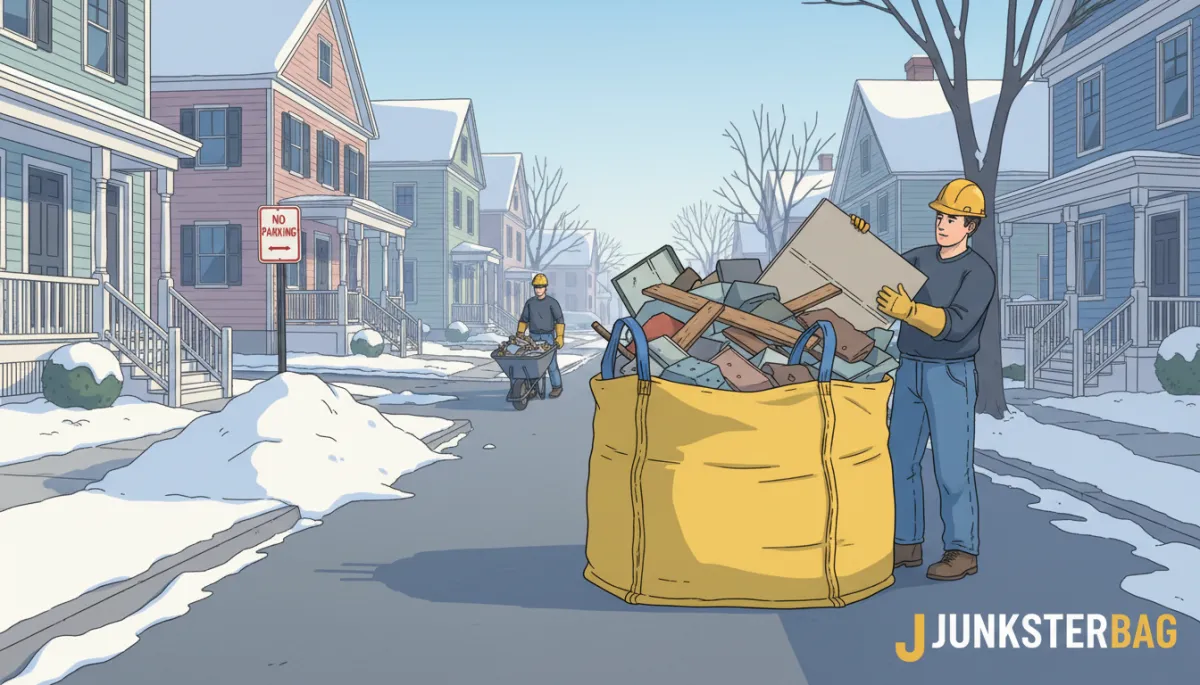
Efficient Dumpster Bag Loading in Ipswich, MA
Construction, Junk Removal, Dumpster Bags
Construction Debris Removal in Ipswich, MA: How to Load a Dumpster Bag the Right Way
Planning construction debris removal in Ipswich, MA can feel tricky, especially with narrow historic streets, winter snowbanks, and tight driveways. A dumpster bag from Junksterbag makes it easier and more affordable than a traditional metal dumpster—but only if you load it the right way. This guide walks Ipswich homeowners and contractors through smart, safe loading so you avoid overloads, extra fees, and pickup delays.
Quick answer: How to load a dumpster bag for Ipswich construction debris
Quick answer: Place your dumpster bag on flat, accessible ground where a truck can reach it from the street. Load heavy, dense materials (concrete, brick, roofing) first in a flat layer, then medium items (lumber, cabinets), and finally lighter debris (drywall, insulation) on top. Keep everything below the fill line, distribute weight evenly, and avoid banned items like liquids, hazardous waste, and electronics. In Ipswich, consider on-street parking rules, HOA/condo policies, snowbanks, and tight driveways before you set the bag down.
Why a dumpster bag is perfect for construction debris removal in Ipswich, MA
Ipswich is full of older homes, compact lots, and streets that were never designed for 20–30 yard roll-off dumpsters. That’s where a flexible dumpster bag shines. It folds up small before use, fits in tight spaces, and still handles serious renovation debris when loaded correctly. With Junksterbag’s local crew handling construction debris removal in Ipswich, MA, you get professional pickup and responsible recycling tailored to this coastal North Shore town.
Compared with a metal dumpster, a bag is often the better call in Ipswich for:
Narrow streets and shared driveways where a roll-off truck can’t safely maneuver.
Historic districts and HOAs that limit long-term dumpster placement or require approvals.
Short projects like bathroom remodels, roofing jobs, or deck replacements that generate a few cubic yards of debris.
💡 Pro tip: If you’ve used a WM Bagster before, you’ll find Junksterbag works similarly but with local Ipswich knowledge, flexible scheduling, and a strong focus on recycling.
Step 1: Choose the right spot for your dumpster bag in Ipswich
Before you cut open the bag, choose a location that works for you and for the Junksterbag pickup truck. This is especially important for construction debris removal in Ipswich, MA, where parking rules, winter weather, and older neighborhoods can complicate access.
Ground rules for placement
Flat, solid surface: Driveway, parking pad, or compacted gravel. Avoid soft lawns that can rut or sink under weight.
Clear overhead space: No low tree branches, utility lines, or balconies. The lifting boom needs vertical clearance.
Truck access: The truck must be able to park on the street or driveway within reach of the bag’s lifting straps.
Check Ipswich’s Department of Public Works guidelines and any posted street signs for temporary parking or winter parking bans. You don’t want your pickup day to conflict with street sweeping or snow emergency rules.
Ipswich-specific placement considerations
Narrow streets: In older parts of town, keep the bag on your property, not in the roadway. The truck may need to lift from an angle, so leave side clearance too.
Winter snowbanks: Don’t place the bag where plows build up snow. Leave a clear path so the bag isn’t frozen in place or blocked by ice piles.
Multi-family and condos: Check HOA or condo rules and coordinate with neighbors. Many require written approval for any waste container in shared lots or near common entries.
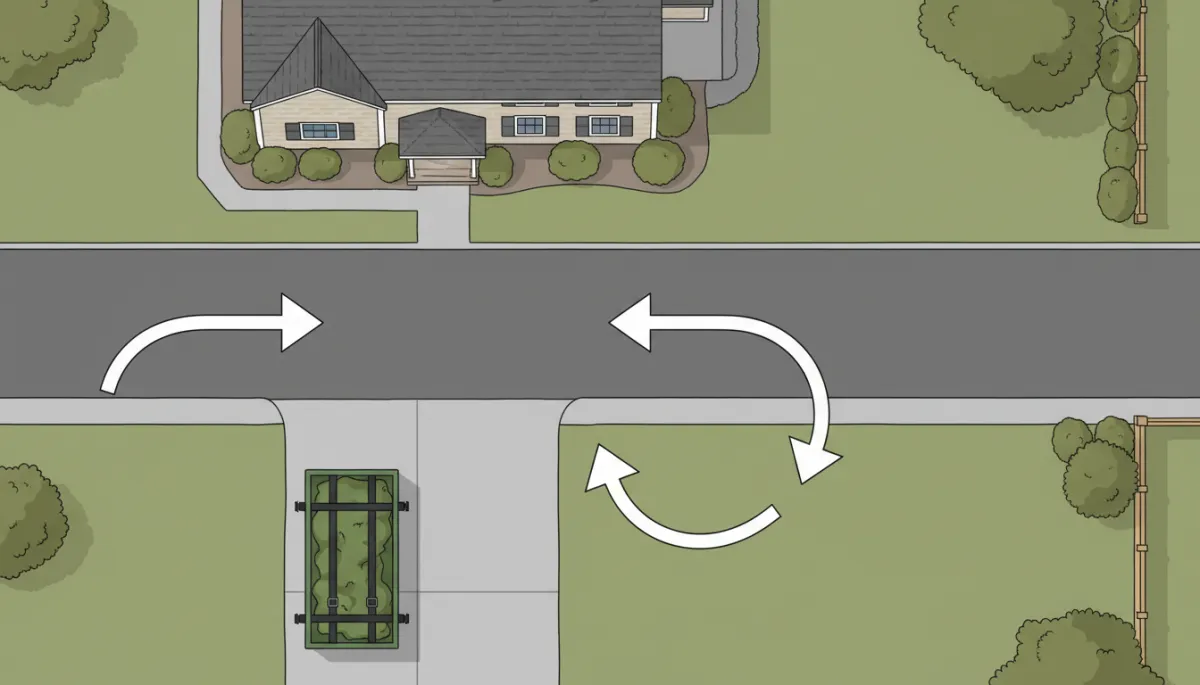
Proper placement in a driveway ensures Junksterbag can safely reach and lift your loaded bag.
Step 2: Know what can and can’t go in your dumpster bag
Not every type of construction debris belongs in a dumpster bag. Understanding allowed and restricted materials helps you avoid rejected pickups and protects you from fines under MassDEP solid waste rules.
Common construction debris that’s usually acceptable
Lumber, trim, framing scraps, and plywood (nails are fine if they’re not sticking out dangerously).
Drywall, plaster, and ceiling tiles from interior demolition.
Roofing shingles, felt, and small sections of sheathing (within weight limits).
Tile, brick, pavers, and small concrete chunks (loaded carefully at the bottom).
Cabinets, doors, trim, and non-upholstered fixtures from kitchen or bath remodels.
Items you should keep out of the bag
Liquids, paints, solvents, and chemicals (check Ipswich household hazardous waste options).
Large appliances, refrigerators, and anything with refrigerant or oil.
Electronics and TVs, which fall under Massachusetts electronics disposal rules.
Asbestos-containing materials (older floor tiles, siding, pipe insulation)—these require licensed abatement.
💡 Pro tip: When in doubt, ask Junksterbag before you toss it. Our team knows local and state rules and can guide you to safe disposal or recycling options.
Step 3: Load heavy construction debris first—and evenly
How you load heavy debris is the difference between a smooth pickup and a bag that’s too heavy or unstable to lift. For safe construction debris removal Ipswich MA homeowners can rely on, follow a “heaviest first, flattest possible” approach.
Building a solid base layer
Start with masonry: Place bricks, tiles, and small concrete pieces flat on the bottom, spread corner to corner. Avoid stacking them in one end of the bag.
Distribute roofing shingles: Break bundles apart and spread them in a thin layer rather than piling them high in one spot.
Cut long lumber: Trim boards to fit fully inside the bag without sticking out; this keeps weight centered and prevents tearing.
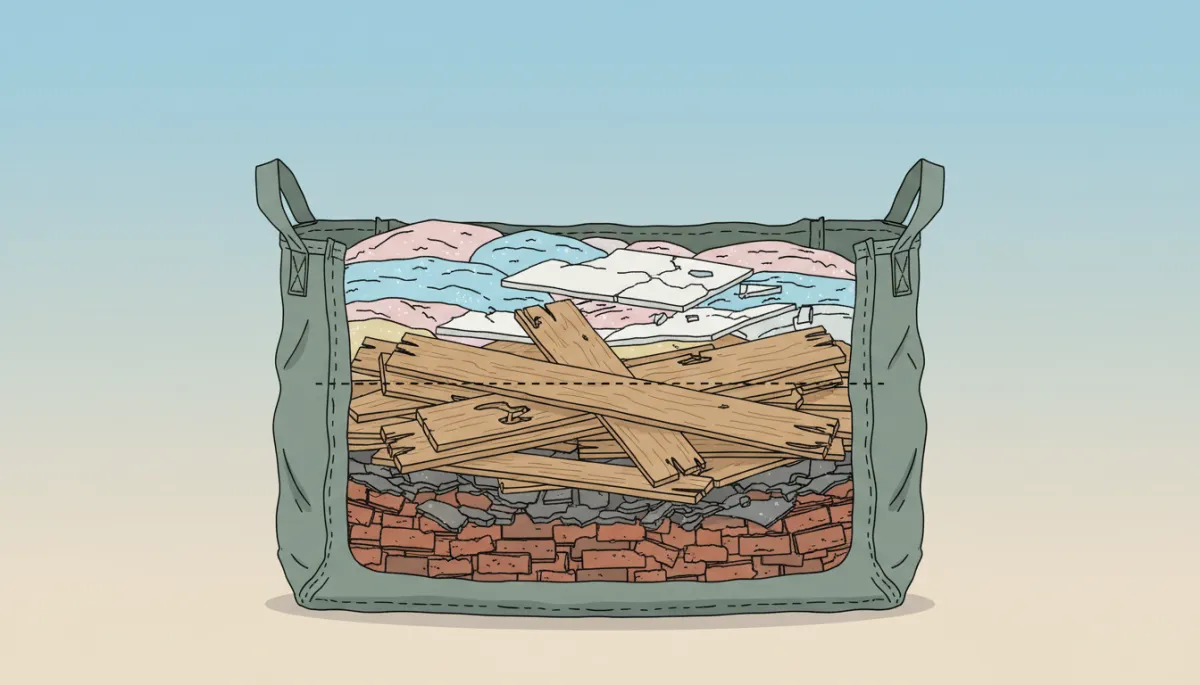
Layer heavy debris first, then medium and light materials, so the bag lifts safely and stays within limits.
Respecting weight limits
Every dumpster bag has a maximum weight rating. Overfilling with concrete or shingles can push you past that limit quickly. Junksterbag’s guidelines are designed to keep you within safe lifting capacity and within what local disposal facilities will accept. For context, the EPA notes that construction and demolition materials are among the heaviest waste streams, so a little goes a long way in terms of weight.
Checklist: Heavy materials
• Spread masonry and shingles evenly across the bottom
• Don’t exceed recommended depth for concrete and brick
• Keep long boards trimmed to fit fully inside the bag
• Stop and reassess if the bag becomes difficult to move by hand
Step 4: Add medium and light debris while keeping a low profile
Once the heavy base is in place, you can start adding framing lumber, cabinets, doors, and finally lighter materials like drywall and insulation. The goal is to build a compact, interlocked load that stays below the fill line and won’t shift during lifting.
Stand larger panels (like cabinet sides) along the sides of the bag to create a “wall” that contains smaller pieces.
Break down bulky items—remove hardware, legs, and doors—to reduce air pockets and wasted space.
Place dusty materials like drywall in the middle and top layers so they’re less likely to spill when lifted.
Never stack debris above the bag’s sides. Anything sticking out can snag, fall out during lifting, or cause the load to be refused. Think of the bag as a box: if you can’t close an imaginary lid, you’re over the line.
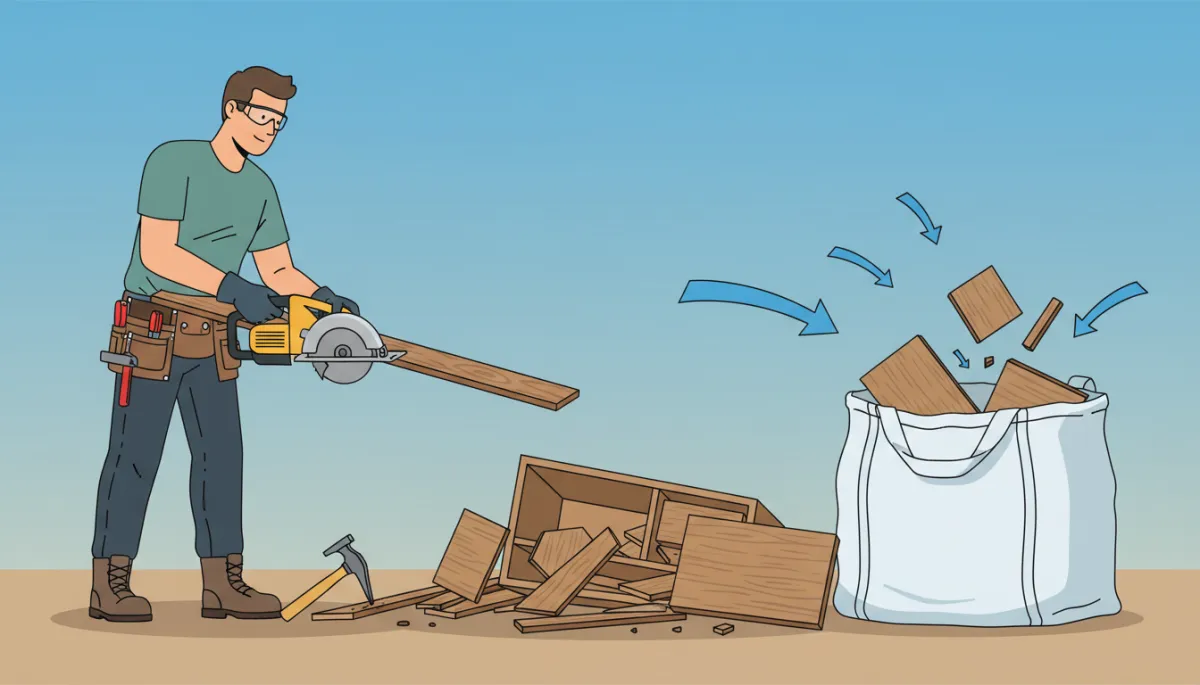
Breaking materials down into smaller sections maximizes space and keeps your load stable.
Step 5: Safety, stairs, and condo logistics in Ipswich buildings
Many Ipswich projects happen in multi-family homes, condos, or second-floor units. That means navigating stairs, tight hallways, and shared elevators while moving demolition debris to your dumpster bag outside. A little planning keeps everyone safe and your neighbors happy.
Working with stairs and elevators
Use sturdy contractor bags or small bins to carry debris down stairs—avoid overloading containers that can cause falls or spills.
Protect common areas with floor runners or cardboard to prevent damage from sharp debris or dirty boots.
If you have an elevator, check building rules about using it for construction materials and consider off-peak hours.
HOA and condo rules in Ipswich
Many Ipswich condo associations have specific rules about where you can place any waste container, how long it can stay, and what hours you can move debris. Review your bylaws and notify the property manager before scheduling a dumpster bag pickup. Junksterbag’s team is used to working within HOA guidelines and can help you pick a placement and pickup window that fits your building’s expectations.
💡 Pro tip: Post a brief notice in your building lobby or email residents about your project dates. Clear communication reduces complaints and keeps your project running smoothly.
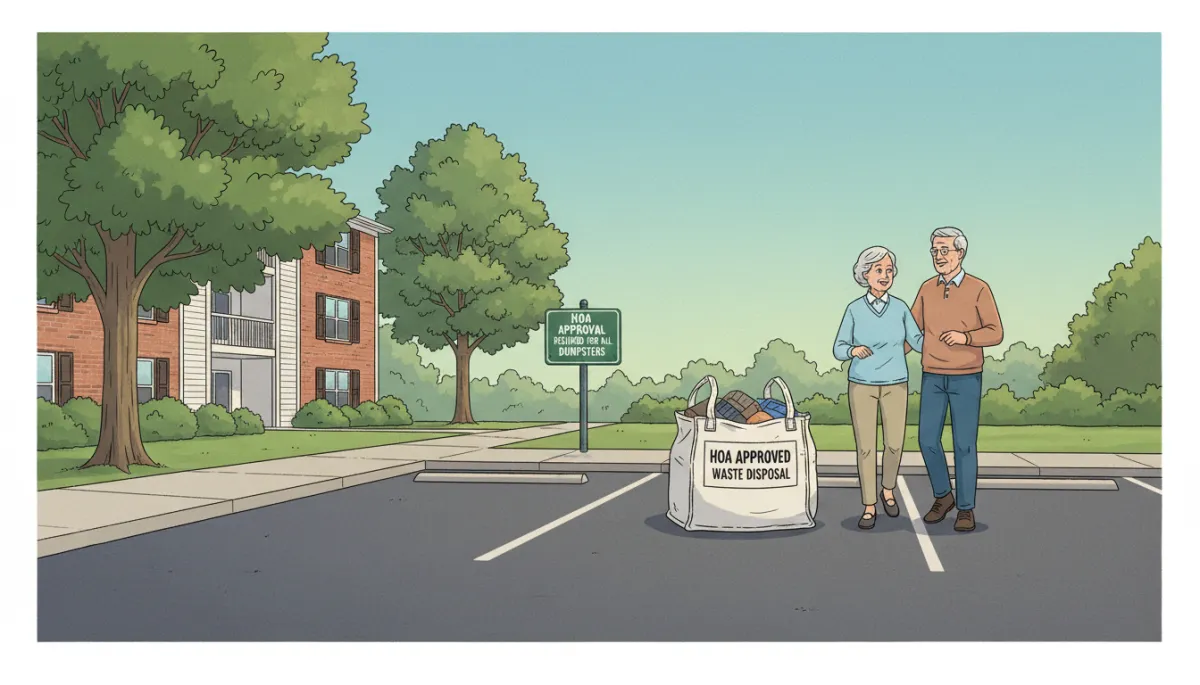
Coordinating with your HOA or condo board avoids conflicts and last-minute placement changes.
Recycling, donations, and energy-saving incentives for Ipswich projects
Not everything from your renovation has to go in the dumpster bag. Separating reusable and recyclable items saves space, lowers environmental impact, and can even connect your old materials with someone who needs them.
Intact cabinets, doors, and fixtures may be accepted by organizations like Habitat for Humanity ReStores or other local reuse centers.
Old but working appliances could be recycled through Mass Save appliance recycling programs, potentially earning rebates.
Metal scrap can often be recycled separately, freeing up weight and space in your bag.
Junksterbag emphasizes responsible disposal and recycling whenever possible, aligning with Massachusetts waste reduction goals. By pulling out reusable items and recyclables before loading the bag, you help keep Ipswich greener and may reduce your project’s overall waste costs.
Working with Junksterbag: Local experts in Ipswich construction debris removal
When you choose Junksterbag, you’re not dealing with a faceless national call center—you’re working with a local team that understands Ipswich traffic patterns, parking quirks, and seasonal challenges. From initial planning to final pickup, we make construction debris removal Ipswich MA projects smoother and more predictable.
Clear guidance on what can go in your bag and how much you can load.
Flexible pickups that work around your project schedule and local parking rules.
A strong focus on recycling and responsible disposal, not just hauling everything to a landfill.
Learn more about how our dumpster bags work on the Junksterbag home page, or explore how the service works step-by-step before you schedule your Ipswich pickup.
If you’re comparing options, you can also review our guide to dumpster bag vs. traditional dumpster to see which makes the most sense for your Ipswich renovation or cleanout.
Ready to start? Visit our dedicated page for debris removal service in Ipswich and schedule a pickup that fits your timeline.
Common mistakes to avoid when loading a dumpster bag
Overfilling above the sides: This is one of the fastest ways to have a pickup refused. Keep everything below the fill line.
Concentrating weight in one corner: Piling all the heavy debris on one side makes the bag unstable and harder to lift safely.
Ignoring local access issues: Parking a car in front of the bag, placing it behind a locked gate, or letting snow block the path can delay pickup.
Mixing in prohibited items: Hazardous materials or electronics can cause the entire load to be rejected and may trigger extra handling fees.
Before pickup, double-check:
• Bag is below fill line
• No items are sticking out
• Access path is clear of cars, snow, and equipment
• Straps are visible and not buried under debris
FAQ: Construction debris removal and dumpster bags in Ipswich, MA
1. Do I need a permit to use a dumpster bag in Ipswich?
In most cases, if the bag is fully on your private property—like a driveway—you won’t need a permit. If you plan to place it on or very near the public way, check with Ipswich DPW or the town’s trash and recycling guide and confirm any requirements before placement. Junksterbag can help you think through the best location to avoid permit issues.
2. How much construction debris can a dumpster bag really hold?
Dumpster bags are designed to handle several cubic yards of debris and thousands of pounds when loaded correctly. For many Ipswich projects—a single bathroom remodel, a small roof, or a deck replacement—one bag is enough. For larger renovations or multi-unit work, Junksterbag can coordinate multiple bags and staggered pickups so you’re never overwhelmed by debris.
3. Can I mix household junk with construction debris in the same bag?
Light household junk like old furniture, rugs, and non-electronic clutter can often be mixed in, as long as you stay within weight limits and avoid prohibited items. However, separating clean recyclables and donations first is always smart. If you have a lot of household clutter, you may want to schedule a dedicated junk removal service alongside your construction debris bag.
4. What happens if my bag is too heavy or overfilled?
If the bag is overfilled or clearly beyond safe lifting weight, the driver may not be able to take it for safety and regulatory reasons. In that case, you’ll need to remove some material until it’s within guidelines. To avoid this, follow Junksterbag’s loading tips, keep heavy materials to a reasonable layer, and don’t stack debris above the sides of the bag.
5. How far in advance should I schedule my Ipswich pickup?
It’s wise to contact Junksterbag a few days before you expect to finish loading. This gives us time to coordinate around Ipswich traffic, school schedules, and any seasonal parking rules. For contractors on tight timelines, we can often arrange pickups that match your project milestones so the site stays clean and efficient.
6. Can I use a dumpster bag for yard waste along with construction debris?
Small amounts of yard waste—like branches or shrubs from a deck replacement or fence project—can sometimes be combined with construction debris, but it depends on volume and local disposal options. Ipswich has its own yard waste guidelines, so ask our team how best to handle green waste alongside your renovation materials.
7. Is a dumpster bag better than a metal dumpster for my Ipswich project?
For many projects in Ipswich—especially those on narrow lots, shared driveways, or shorter timelines—a dumpster bag is the better fit. It’s easier to place, less visually intrusive in historic neighborhoods, and typically more cost-effective for moderate debris volumes. For very large tear-downs or whole-house gut renovations, a traditional dumpster might still make sense; our comparison of dumpster bag vs. dumpster can help you decide.
8. How do I get started with Junksterbag in Ipswich, MA?
Getting started is simple. Order your bag, review our FAQs and loading guidelines, and then schedule a pickup here: https://junksterbag.com/#orders. Our team can answer questions about placement, materials, and timing so your construction debris removal goes smoothly from the first swing of the hammer to the final sweep-up.
Final thoughts: A cleaner, easier Ipswich jobsite with Junksterbag
Whether you’re renovating a classic Ipswich Colonial, updating a condo near downtown, or tackling a multi-unit project, a well-loaded dumpster bag keeps your site organized and your neighbors happy. By choosing the right placement, loading heavy materials first, respecting weight and height limits, and planning around local constraints like parking, snow, and HOA rules, you set your project up for success.
Junksterbag combines flexible dumpster bags with local Ipswich expertise and a strong commitment to recycling. When it’s time to clear out construction debris, you don’t just need a bag—you need a partner who understands how to move that debris responsibly through your town’s streets and regulations. Schedule your pickup today, and let us help you load smart, stay safe, and finish your project with a clean, clear jobsite.